

February 9
Today in America's Present Past

1769 | Entrepreneur William King was born.
1771 | Composer Daniel Belknap was born.
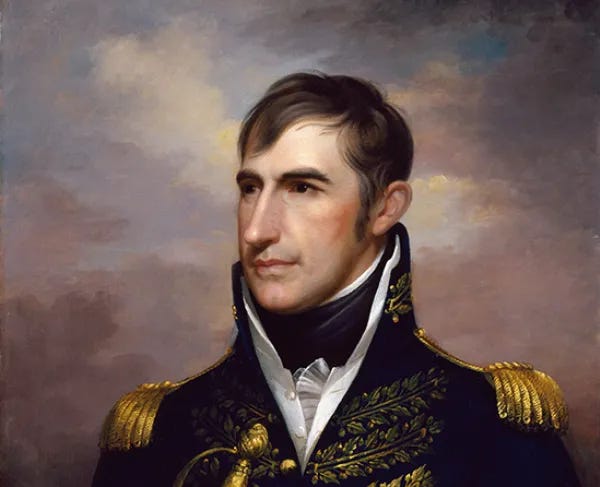
1773 | POTUS: President William Henry Harrison was born.
1814 | Political Samuel J. Tilden was born.
1822 | Civil Rights: American Indian Society formed.
1825 | POTUS: Congress elected John Quincy Adams as President. Because no candidate won a majority of electoral votes in 1824, the House of Representatives decided the election on this day. They chose John Quincy Adams over Andrew Jackson, despite Jackson having won the popular vote. This led to the famous charge of a “Corrupt Bargain” involving Henry Clay.
1826 | General John Alexander Logan was born.
1861 | Civil War: Tennessee votes against succession. In an early referendum, voters rejected holding a secession convention by a significant margin. The state eventually pivoted and joined the Confederacy only after the firing on Fort Sumter in April.
1864 | George Armstrong Custer weds Elizabeth Clift Bacon.
1870 | POTUS: Republican President Grant signed a joint resolution of Congress authorizing the establishment of a national weather service (now the National Weather Service).
1871 | Congress: Establishes the Office of Fish Protection. Formally known as the U.S. Commission of Fish and Fisheries, it was established to investigate the decline in food fishes. It was the first federal agency dedicated to conservation.
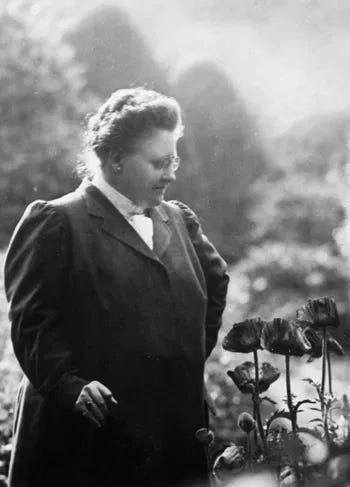
1874 | Poet Amy Lowell was born.
1886 | Civil Rights: President Grover Cleveland declares an emergency in Seattle, Washington, due to anti-Chinese violence.
1895 | William Morgan introduces “volleyball,” then called “Mintonette” at Springfield College. A physical education director, created the game as a less vigorous alternative to basketball for older members of the YMCA.
1906 | Poet Paul Laurence Dunbar died.
1909 | Politican Dean Rusk was born.
1909 | Congress: Passage of the first federal anti-narcotics legislation. The Opium Exclusion Act was signed on this day, prohibiting the importation of opium for non-medicinal purposes. It was the foundation of federal drug regulation.
1926 | Atlanta, Georgia bans the teaching of evolution in government schools.
1928 | Journalist Roger Mudd was born.
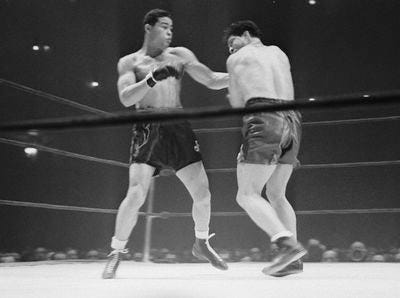
1940 | Boxer Joe Louis wins the heavyweight title, besting Arturo Godoy.
1943 | WWII: U.S. forces liberate Guadalcanal. After six months of brutal fighting, the Japanese completed their retreat off the island, marking a major strategic shift toward an Allied victory in the Pacific.
1943 | Actor Joe Pesci was born.
1943 | WWII: Democrat President Roosevelt signed a law requiring a minimum 48-hour work week in many industries. To maximize production for the war effort, Roosevelt issued Executive Order 9301, establishing a minimum 48-hour workweek in 32 labor-shortage areas.
1943 | Economist Joseph Stiglitz was born.
1948 | Bank robber Willie Sutton escapes jail in Philadelphia, Pennsylvania.
1950 | Congress: U.S. Senator Joseph McCarthy charges the U.S. State Department as housing 205 Communist Party members. While speaking in Wheeling, West Virginia, Senator McCarthy waved a piece of paper and claimed to have a list of 205 Communists working in the State Department.
1955 | The AFL-CIO was formed via a merger of two warring unions.
1964 | TV: The British rock group “The Beatles” appears on the Ed Sullivan Show. An estimated 73 million people—nearly 40% of the U.S. population at the time—tuned in to watch the Beatles’ American television debut.
1971 | Civil Rights: Wilmington riot in North Carolina.
1971 | The Sylmar Earthquake: A magnitude 6.6 earthquake struck the San Fernando Valley of California, causing significant damage and 64 deaths, leading to major updates in building codes for seismic safety.
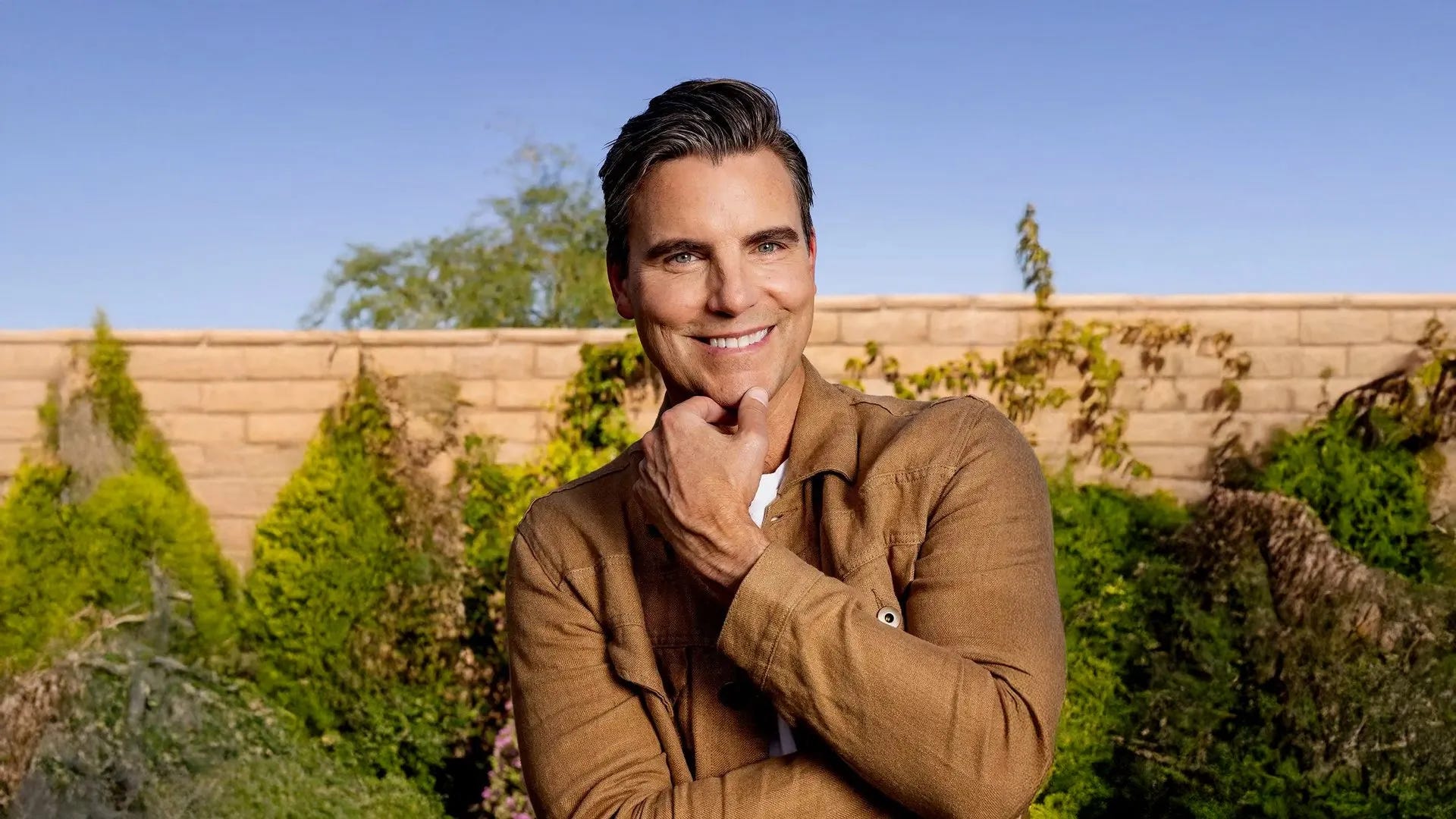
1973 | Actor Colin Egglesfield was born in Farmington Hills, Michigan.
2001 | Political Scientist Herbert Simon died.