

March 2
Today in America's Present Past

1699 | Pierre Le Moyne d’Iberville was the first European to discover the mouth of the Mississippi River.
1769 | Politician DeWitt Clinton was born.
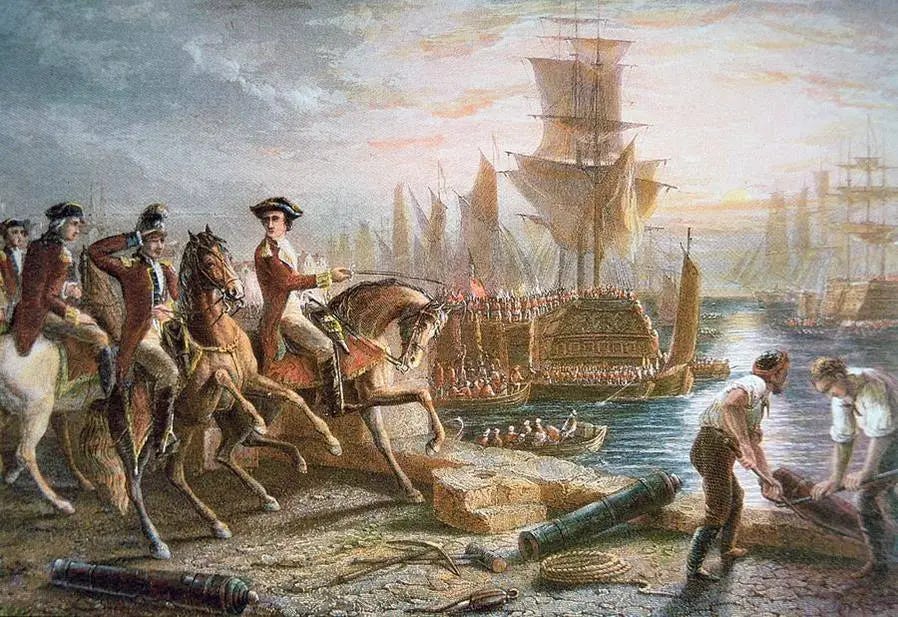
1776 | War of Independence: Americans began shelling the English occupiers in Boston, Massachusetts.
1778 | War of Independence: Nathanael Greene was appointed Quartermaster of the Continental Army.
1788 | The first volume of the Federalist Papers was published.
1789 | Pennsylvania ended the prohibition on theatre.
1793 | Politician Sam Houston was born (the only person to be a Governor of two states).
1799 | Congress: Passed the Survey Act of 1799, which was the first federal effort to regulate weights and measures. The U.S. uses the U.S. Customary System.
1807 | Congress: Passed a ban on the importation of slaves. This law went into effect at the earliest date possible under the Constitution (Article I, Section 9, Clause 1). Make it clear, Congress’ intent to curb the practice following the “Great Compromise.”
1819 | Congress: The first U.S. Immigration law passed.
1824 | SCOTUS: Supreme Court decided Gibbons v. Ogden, expanding federal authority over interstate commerce.
1824 | General Henry Beebee Carrington was born.
1831 | John Frazee became the first sculptor hired by the Federal Government.
1836 | The Republic of Texas declared independence from Mexico (amidst the Battle of the Alamo).
1836 | SCOTUS: Justice Henry Billings Brown was born.
1849 | Entrepreneur Robert Means Thompson was born.
1853 | POTUS: President Millard Fillmore signed the bill creating the Washington Territory (splitting it from Oregon).
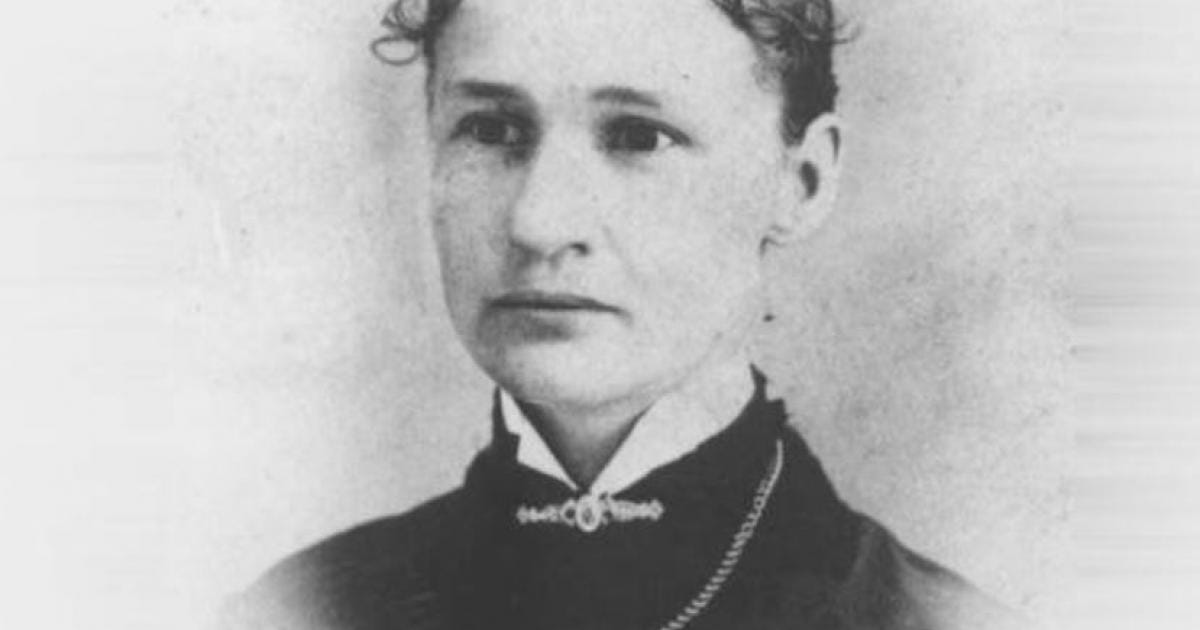
1860 | Temperance leader and first female mayor, Susanna M. Salter, was born.
1862 | Poet John Jay Chapman was born.
1862 | General Frederick West Lander died.
1865 | Civil War: Union forces win the Battle of Waynesboro, Virginia.
1867 | Congress: First Reconstruction Act passed over Democrat President Johnson’s veto.
1867 | Howard University was chartered.
1867 | Outlaw gang James-Younger robs a bank in Savannah, Missouri.
1868 | The University of Illinois opened.
1877 | U.S. Electoral Commission declared Rutherford B. Hayes President over Samuel J. Tilden.
1879 | Entrepreneur John Eberhard Faber died.
1899 | POTUS: Republican President McKinley signed a law creating Mount Rainier National Park.
1904 | Author Dr. Seuss was born.
1907 | Entrepreneur Jheri Robert Redding was born.
1917 | POTUS: Democrat President Wilson signed the Jones-Shafroth Act granting citizenship to the people of Puerto Rico.
1917 | Actor Desi Arnaz was born.
1923 | Time Magazine, America’s first weekly, dated for March 3, debuted on news stands.
1929 | Congress: Created the Court of Customs and Patent Appeals.
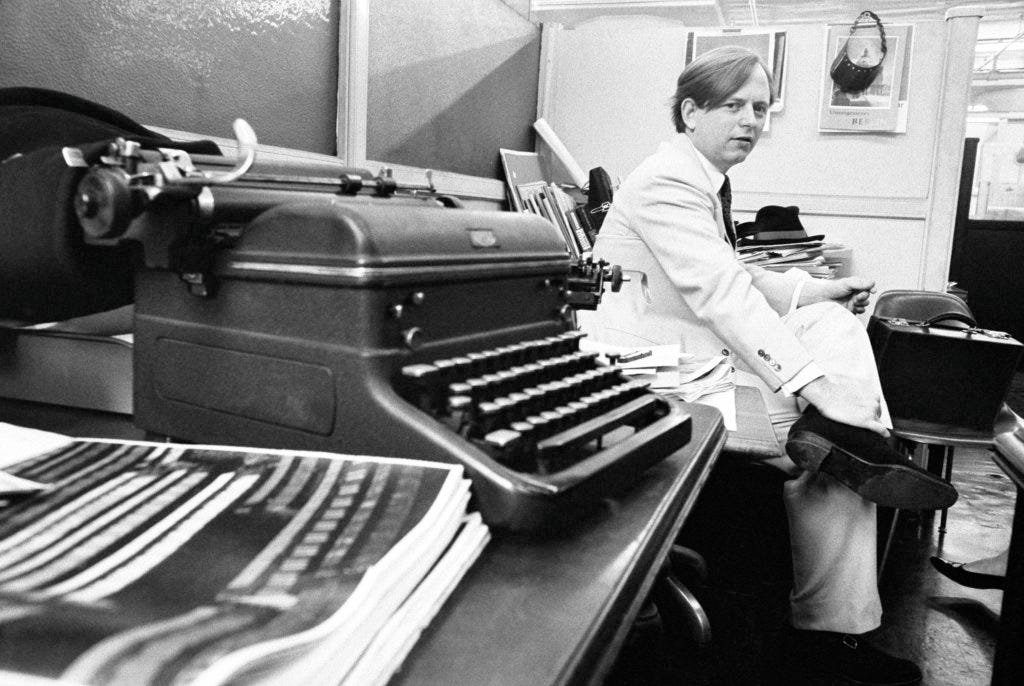
1931 | Author Tom Wolfe was born.
1932 | General Frank E. Peterson was born.
1933 | Film: “King Kong” debuted.
1939 | Massachusetts voted to ratify the “Bill of Rights” 147 years after its adoption.
1939 | Civil Rights: Secretary of the Interior Harold Ickes, offered the Lincoln Memorial to singer Marian Anderson for her Easter Sunday concert after she was refused by DAR.
1942 | Author John Irving was born.
1949 | Cold War: First Non-stop Round-the-World Flight. The USAF B-50 Superfortress “Lucky Lady II” landed at Carswell Air Force Base in Texas after flying 23,452 miles in 94 hours. It proved the U.S. could deliver a payload anywhere without landing.
1962 | Entertainer Jon Bon Jovi was born.
1962 | Wilt Chamberlain set the NBA record by scoring 100 points in a single game for the Philadelphia Warriors.
1965 | Film: The “Sound of Music” debuted.
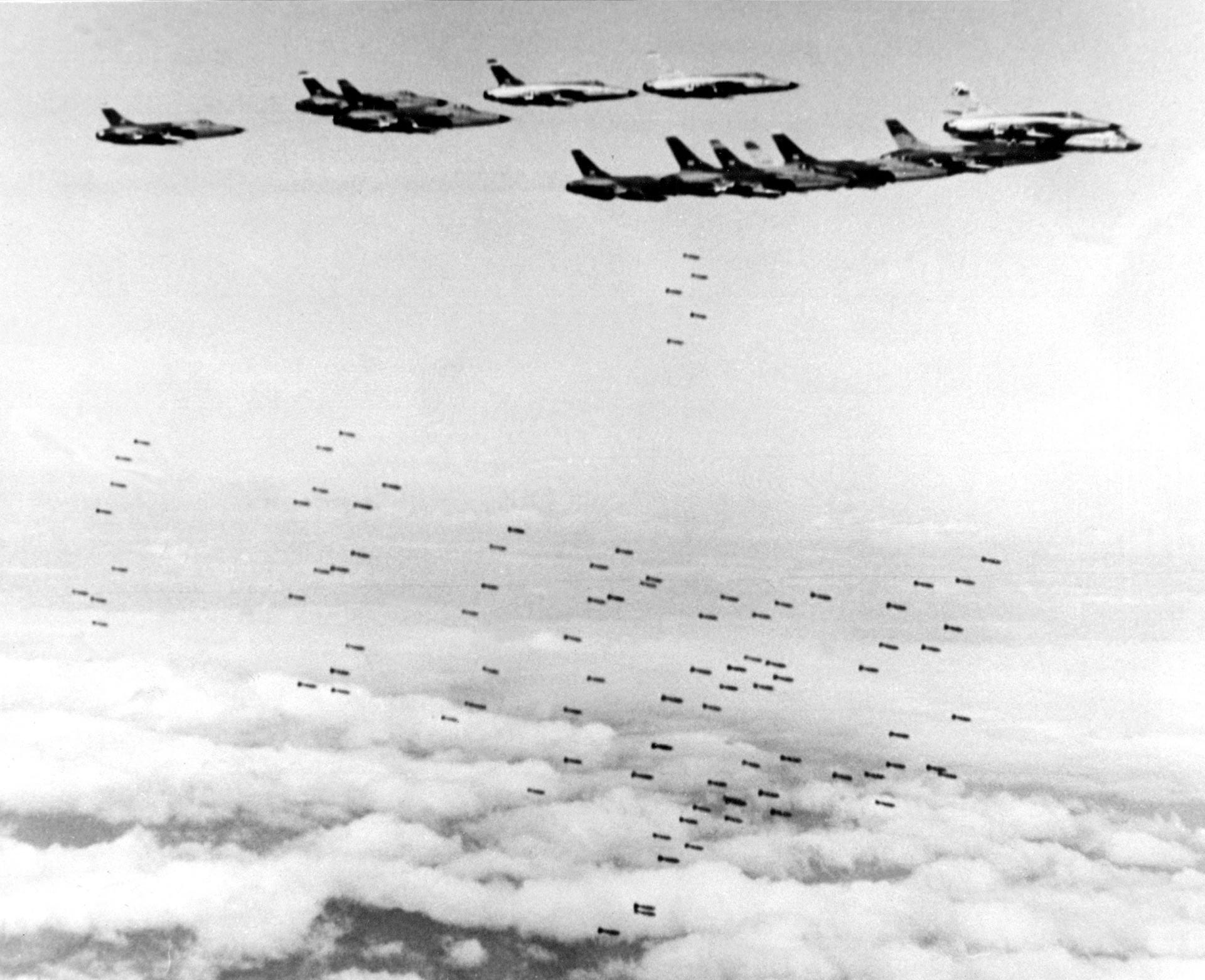
1965 | Vietnam: USAF begins a three-year “Operation Rolling Thunder.”
1972 | NASA launched Pioneer 10 from Cape Canaveral. It was the first spacecraft to travel through the asteroid belt and the first to visit Jupiter, carrying the “Golden Plaque” designed to communicate with extraterrestrial life.
1991 | Journalist Clark Mollenhoff died.
2020 | Entertainer James Lipton died.